
Internet, Please Stop Calling Regular Forgetfulness ADHD—ADHD Isn’t Cute, Easy, or Quirky
A story about how “ADHD content” gets ADHD wrong — and the real damage casual labels do to women who spent years misdiagnosed or misunderstood.
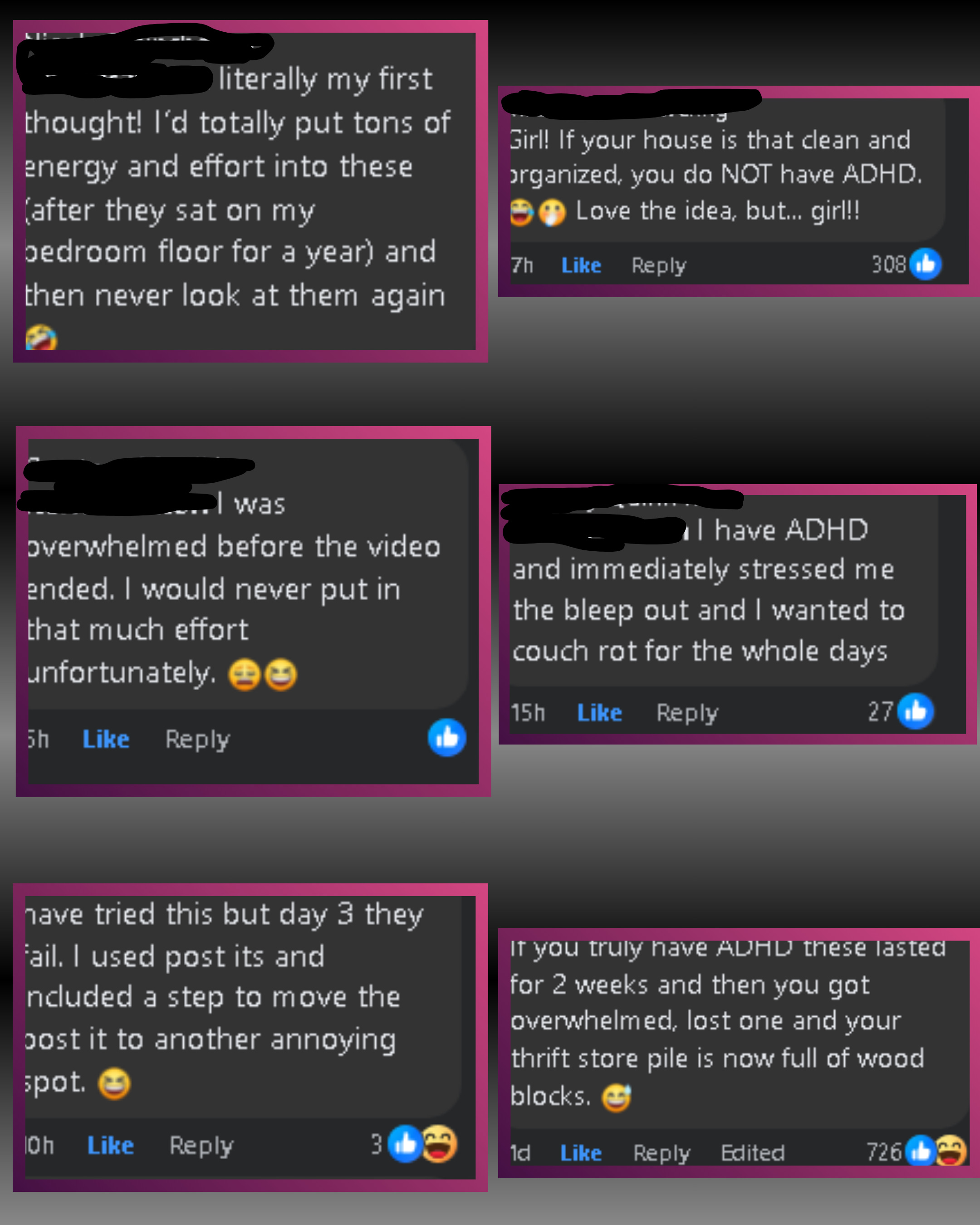
Disclaimer: Screenshots used strictly for clarity —no dogpiling, just education. Identities hidden because we’re informing here, not sending a mob to someone’s DMs.
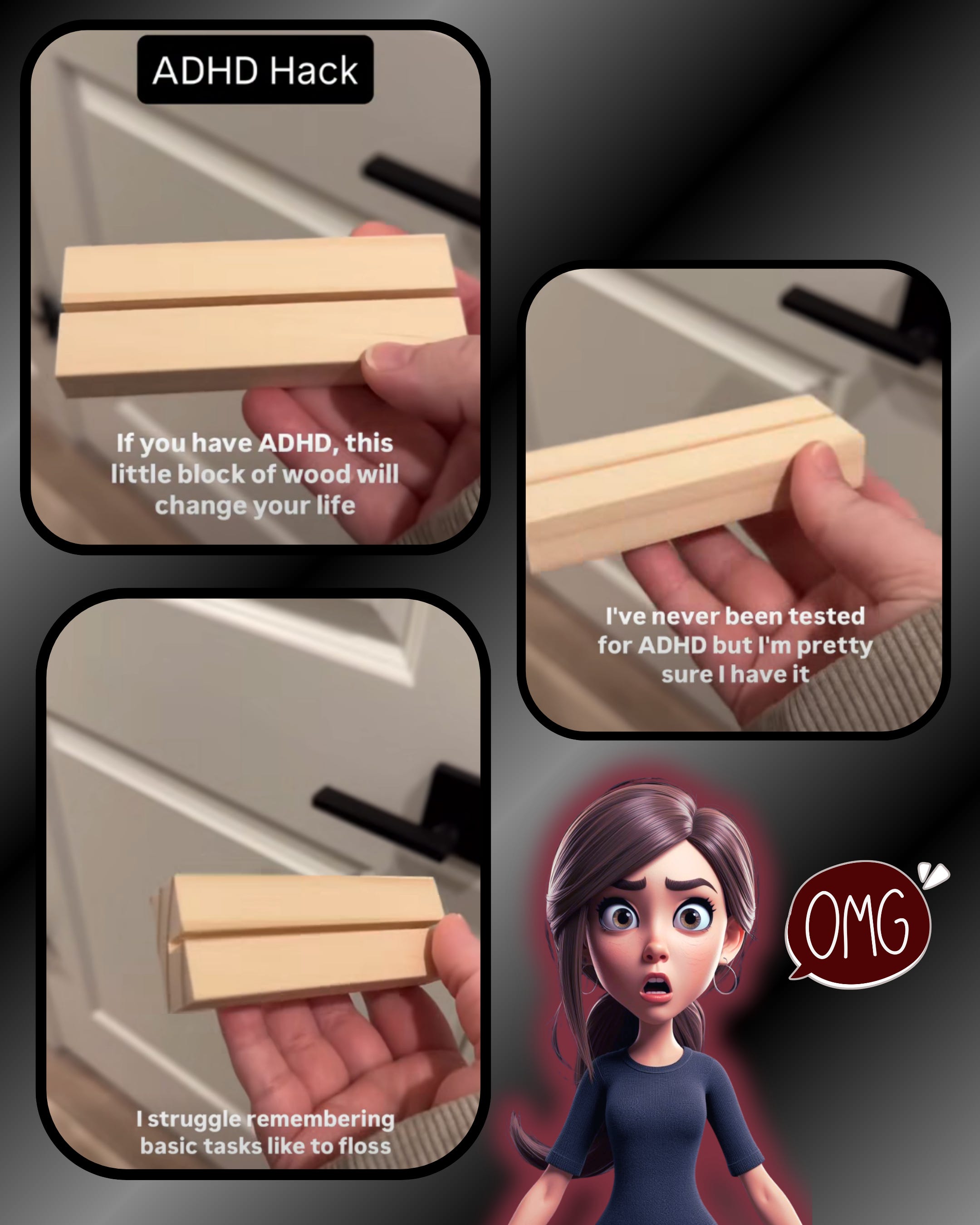
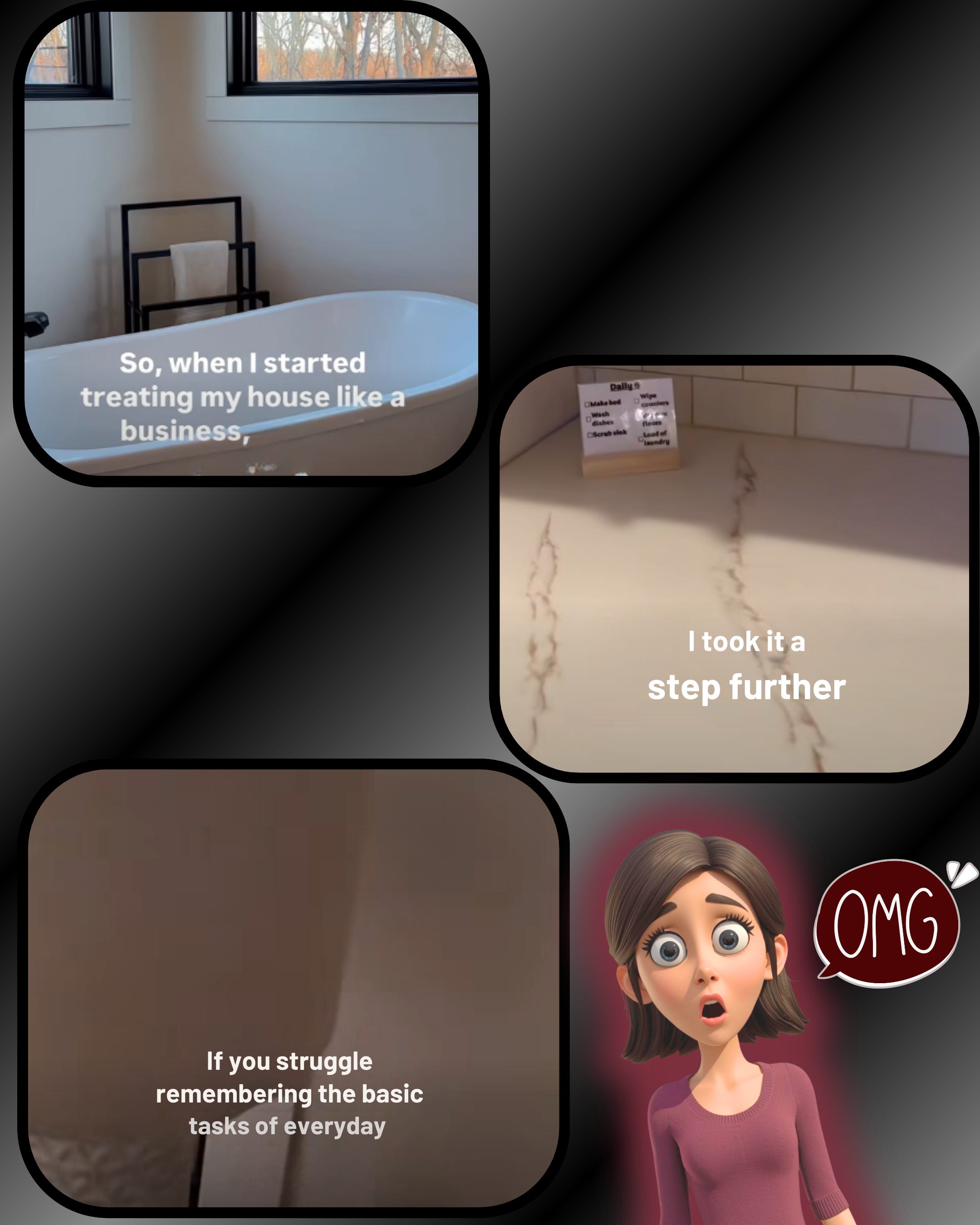
Here’s the reality:
I’ve attempted these little systems.
The reminders. The cue cards. The lists.
Sometimes they do work…but only for a short while.
Then it’s the system—the reminders, the cue cards, the lists—that becomes overwhelming. And then it doesn’t work.
Here’s exactly how that plays out:
THE CYCLE: Real ADHD Edition
You have the intention to create these helpful little lists…→ You buy the supplies… → and then:
1. You actually make the lists.
You spend hours making them. They’re aesthetic. They’re color-coded. They’re perfect.
Then:
If you put them where they belong → you hyperfocus on doing them perfectly, burn out, and then pretend they don’t exist.
→ You feel like a failure.If you don’t put them where they belong → you avoid them because now they’re overwhelming.
→ You feel like a failure.
2. You have intentions of making the lists and go to the store.
You buy the supplies but…the supplies never leave the Target bag.
The bag remains on the catch-all that is the kitchen table, rotating between there and the kitchen counter when it gets in the way.
(Or if you put it “away” it stays stuffed in the closet.)
Then:
You swear you’ll come back to it→You don’t.
→ Failure.
3. You have intentions of making the lists and online shop.
The thought of physically going to the store? Absolutely not. You tell yourself you’ll order the supplies online.
Then:
You fill your Amazon cart with organizational dreams→ you never hit “order.”
→ Failure.
THIS is what it’s like to “maybe have ADHD.”
This is what it’s like to actually HAVE ADHD.
I’m not claiming expertise in who has ADHD and who doesn’t. I’m speaking as someone who was misdiagnosed as a kid . Undiagnosed until 35. Untreated until 37.
So let me be clear:
Medication Helps — But It Does NOT Teach Executive Function
Even when you’ve been diagnosed—even when you begin treatment with medication— ADHD is not “fixed.” Especially if you weren’t diagnosed until adulthood.
Executive functioning skills don’t magically come with taking medication. Chances are if you’re an adult finally being diagnosed with ADHD, you’ve lived your entire life with these under-developed skills.
Medication doesn’t install the skills you never fully developed.
What medication does do is treat symptoms.
But the symptoms aren’t “lack of executive functioning.”
That’s the neurological development that didn’t develop. Symptoms are just how the lack of development shows up.
And here’s the wild part:
Medication treats symptoms the same way for everyone, but symptoms look different for everyone.
(I’ll be writing more about this soon—especially about the differences between kids diagnosed early and adults diagnosed late. Subscribe if that’s your lane.)
My Most Debilitating Symptoms — and What Medication Actually Helped
Here’s my lived reality and what my ADHD symptoms were:
Emotional dysregulation— Not “mood swings.” I mean falling apart, spiraling, stuck in a low you can’t climb out of.
Depression— it looks (and feels) untreatable… because ADHD is sitting underneath it.
Difficulty focusing— Mind wandering. Not in a cute little “daydreaming” way. I’m talking about overthinking. Racing thoughts. Mental tabs open on every page.
Task initiation + completion issues— Think needing to clean your house and not even knowing where to begin. Then finally starting but it turns into chaos because you jump between tasks and create a bigger disaster than you started with.
Disorganization—Not “messy.” A brain that cannot categorize or sort. The very thing that causes your house to be an overwhelming wreck in the first place.
Low self-esteem—Because you know what you should be able to do and can’t — and the crushing guilt that comes with that.
Perfectionism + overcompensating—This is trying to make up for where you “lack” by doing MORE. Giving MORE. Pushing MORE.
THOSE symptoms are treatable.
Medication finally helped. Thank god.
Because once those ease—THEN you have the space to learn executive functioning. And learning it takes time.
LOTS of it.
When I started medication, the first thing to go wasn’t distraction—it was cognitive distortion. The fog lifted and clarity showed up as the first sign of successful treatment.
I even questioned my ADHD diagnosis because I wasn’t suddenly “executive functioning” like a Pinterest mom. Only later did I learn that clarity comes before capability and regulation comes before structure.
So Here’s My Point
Stop downsizing what ADHD actually is and stop upsizing what it isn’t.
Don’t create content that says:
“I think I have undiagnosed ADHD, and here’s how I manage it!” —when what you’re describing is ordinary forgetfulness with a productivity hack.
Because people with actual ADHD — diagnosed or undiagnosed — watch that and feel like: “Oh. I should be able to do that too.”
And they can’t.
And they spiral.
And they feel broken.
And they feel ashamed.
Maybe get tested. Maybe get an actual diagnosis.
(And yes — I know misdiagnosis exists. That’s its own conversation for another day.)
🗣️Talk To Me
If you’re a woman who spent YEARS thinking you were “too much,” “not enough,” or “just disorganized,” you are exactly who I wrote this for.
Comment or message me anytime. 🫶🏻